
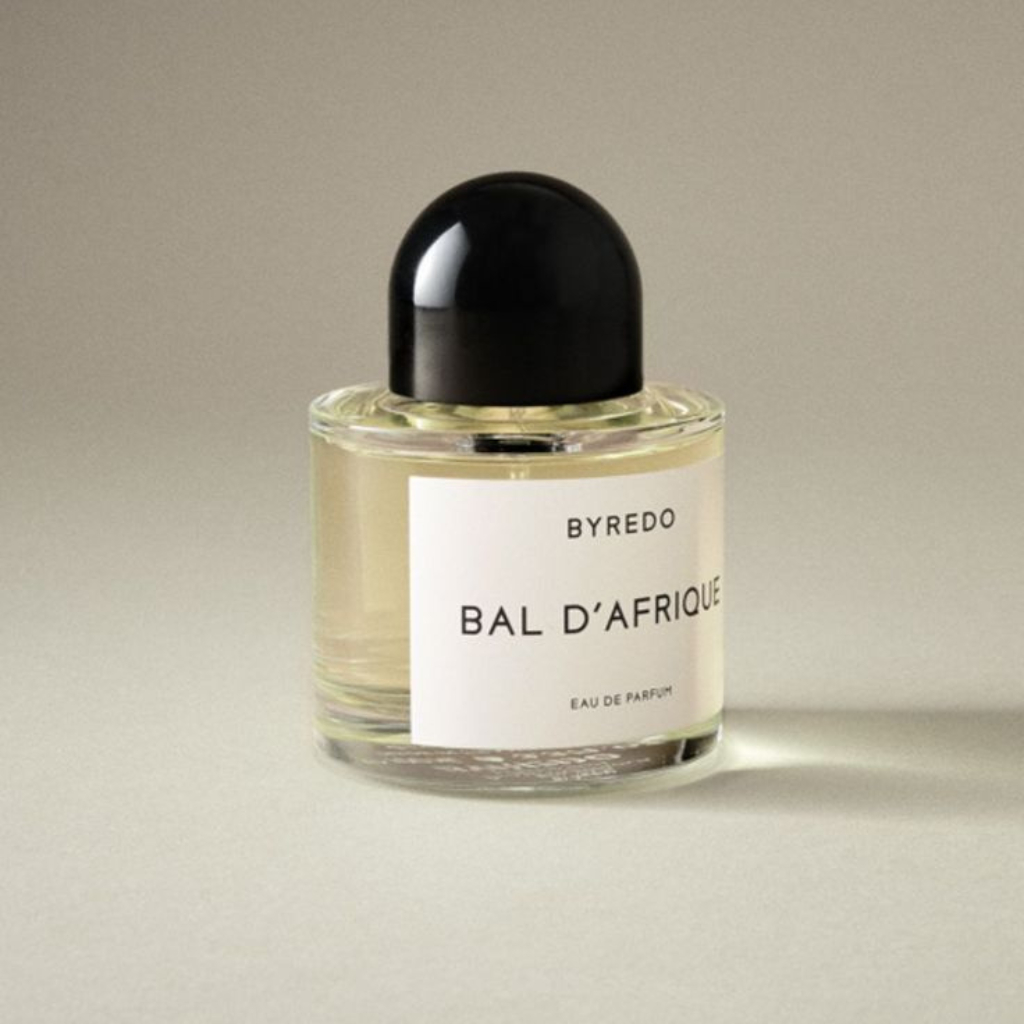
A signature scent isn't the most expensive bottle on the shelf or whatever is trending this month. It's the fragrance that feels like you: the one people start to connect with you, and the one you reach for without thinking. Finding it is less about luck and more about knowing what you like and why. Here's the simple approach we use when we help customers here at the Bazaar.
Start with the smells you already love
Before you try a single perfume, think about the smells you enjoy in everyday life. Fresh-cut lemons? A garden after the rain? Coffee and warm pastries? A cedar cabin, or a candlelit room? Those preferences are the best clue to the fragrances you'll love, because perfumes are built from the same kinds of notes.
That's exactly how our Find Your Scent quiz works. You answer seven quick questions about places, desserts, drinks and moods, and it matches you to a scent family with the bottles to try first. If there's a famous fragrance you already love, our Smells Like tool will show you the scents we carry in that style.
Get to know the scent families
Perfumers group fragrances into families based on their main character. Once you know which one or two families you're drawn to, shopping gets much easier. The Scent Wheel on our homepage maps nine of them:
- Fresh & Citrus: bright and clean, with lemon, bergamot, mandarin, neroli and mint. An easy everyday choice, and a friend on hot Texas afternoons.
- Aquatic: sea air, salt and cool water, usually with citrus and soft woods underneath.
- Floral: rose, jasmine, peony, tuberose and orange blossom, from soft and powdery to rich and creamy.
- Fruity: peach, pear, blackcurrant and berries, often over a sweet, musky base.
- Gourmand & Sweet: vanilla, caramel, praline, honey and coffee. Cozy and almost edible.
- Woody: cedar, sandalwood, vetiver and patchouli. Dry, smooth and grounded.
- Amber & Oriental: warm resins, vanilla, tonka and spices. Older guides often call this family simply "oriental."
- Aromatic & Fougère: lavender, herbs, geranium and oakmoss. The classic barbershop family.
- Leather & Oud: smoky, rich and bold, with leather, tobacco and oud (agarwood), a signature of Middle Eastern perfumery.
Most fragrances sit across two families, like a fruity floral or a woody amber, so don't worry if you find yourself liking more than one.
Read the notes like a pyramid
Fragrance notes are usually described in three layers. Top notes are what you smell first, often citrus or light spice, and they fade fastest. Heart notes come through as the top settles, and they're the main character of the scent. Base notes are the deeper materials, like woods, musk, amber and vanilla, that you'll still notice later on.
Take Manhattan Extrait de Parfum from Bazaar Scents, our own fragrance house. It opens with blackcurrant, bergamot and green mandarin, moves into a heart of lavender, geranium and sandalwood, then settles into bourbon vanilla, balsam fir and oakmoss. The first spray and the final impression feel quite different, which is why you should never judge a perfume in its first minute.
Not sure what oakmoss or tonka bean actually smells like? Our Note Atlas explains each note in our perfumes, where it comes from and which bottles carry it.
How to test a fragrance properly
- Test on skin, not just paper. A paper strip shows you the scent itself. Your skin shows you how it wears on you, because warmth and skin chemistry change how a fragrance develops.
- Spray pulse points and let the fragrance dry naturally rather than rubbing your wrists together.
- Try two or three at a time, not ten. After a few, your nose gets tired and everything starts to smell alike.
- Give it time. Wait at least 30 minutes before you decide, and check again a few hours later so you meet the heart and the base.
- Wear it in real life. Notice how it feels at work, outdoors and in the evening. A scent that's perfect in December may feel heavy in August.
Use famous fragrances as a starting point
Plenty of people start with a bottle they've smelled on a friend, and that's a great clue. If you enjoy the sweet, woody-amber style associated with fragrances like Baccarat Rouge 540, start in our Amber & Oriental family and try Maison Alhambra Anarch Eau de Parfum, which dries down to cashmere wood, ebony wood, amber and vanilla. If the peppery, fresh style associated with Dior Sauvage is more your speed, explore Aromatic & Fougère and Pablo by Pablo Extrait de Parfum for Men, with pepper, Calabrian bergamot and lavender over a warm amber-and-leather base.
A few bottles to try first, by family
- Fresh and aquatic: Giorgio Armani Acqua di Giò Parfum for Men (marine notes, bergamot, rosemary and olibanum) or Federico Mahora Pure 134, an inspired-by parfum with bitter orange, lemon, rosemary, sea grass and cedar.
- Floral: Burberry London for Women Eau de Parfum, with honeysuckle, jasmine and peony over sandalwood and musk, or Federico Mahora Pure Royal 810, a soft bouquet of peony, rose and peach.
- Gourmand: Lattafa Khamrah Qahwa Eau de Parfum, with cinnamon, cardamom, praline, coffee and vanilla, or Ô Médina Caffè Alla Nocciola Parfum, built around roasted coffee and hazelnut.
- Aromatic and warm, for him: Manhattan, or its Bazaar Scents sibling City Fever Extrait de Parfum, with apple, melon, cardamom and pepper over lavender, amberwood, vanilla and warm amber.
- Leather and oud: Memo Paris African Leather Eau de Parfum, where cardamom, geranium and pink pepper lead into a leather accord with oud and amber.
Your signature can be a small wardrobe
A signature scent doesn't have to be a single bottle. Many fragrance lovers keep a fresh scent for warm days and work, and a warmer one for evenings and cooler months. What makes each one a signature is that it feels like you.
So take the quiz, explore the families, and trust your nose. If you'd like a second opinion, get in touch. We're a family-run shop in East Texas, and talking fragrance is our favorite part of the day. Every order ships across the USA for a flat $9.99 via Standard Shipping.
0 comments